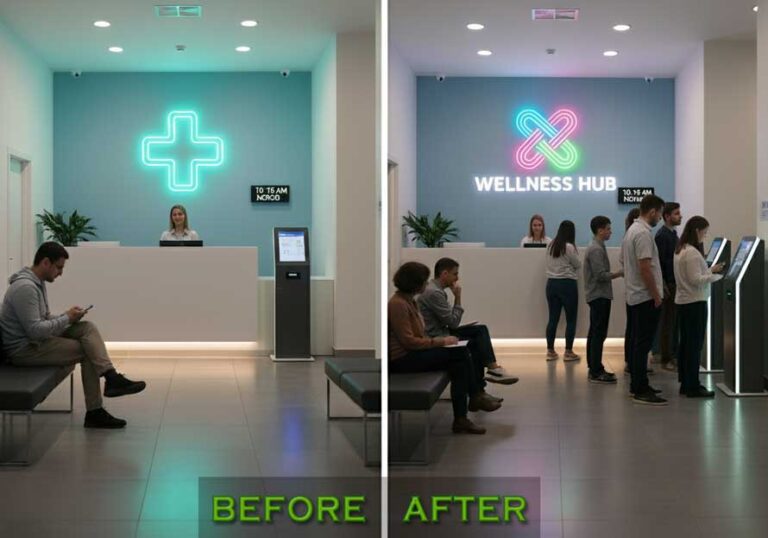
In today’s world, the patient is more than ever a “consumer” – someone who actively chooses which healthcare center, clinic, or hospital to visit. Healthcare branding is not just a logo or a name; it is a set of perceptions, experiences, and messages a patient receives from the very first impression until the end of the care journey. These perceptions directly influence a patient’s decision to visit, return, and recommend the center to others. (1)
Branding as a Trust Builder Before the First Visit
Most patients search online before making initial contact: reviews, website content, social media presence, and related articles. A strong brand communicates “trustworthiness” and reduces the perceived risk of choosing an unfamiliar center. Recent studies and industry reports show that brand signals and content (such as educational materials and media presence) play a direct role in increasing patient willingness to choose a provider. (2)
Digital Experience and Patient Experience: Two Wings of a Successful Brand
In the digital age, “patient experience” also includes digital touchpoints: online booking, patient portals, text communication, and a professional online presence. Digital maturity strongly correlates with patient satisfaction and positive brand perception; patients with smooth and transparent digital experiences are more likely to return and recommend the center. Systematic reviews confirm that investments in digital experience are directly linked to positive branding outcomes and patient acquisition. (3)
Branding as a Long-Term, Efficient Marketing Engine
Unlike short-term advertising, branding creates lasting effects on loyalty and patient lifetime value (LTV). A reputable brand lowers patient acquisition costs and increases return visits. Recent industry examples show that consistent content, storytelling, and reputation management can generate organic conversions that are more cost-effective than short-term campaigns. (4)
Branding and Points of Care (POC) in the Decision Process
Decision points — such as search result pages, service pages, and phone interactions — are key moments where branding can steer a patient toward choosing a center. POC strategies aligned with brand identity can generate significant shares of new patients. Reports suggest that allocating resources smartly to these decision points increases patient acquisition rates. (5)
Trust and Conscious Branding: Safeguarding Reputation in Times of Uncertainty
Especially after health crises (like the pandemic), public trust in healthcare systems has been under scrutiny. Transparent branding that highlights empathy, scientific evidence, and accountability can differentiate a center in the patient’s choice process. Studies show that demonstrating transparency and reliability in communication builds trust, which directly supports patient acquisition. (6)
Practical Steps to Turn Branding Into Patient Acquisition
- Define a clear unique value proposition (USP) for the center and communicate it on landing pages and social platforms. (2)
- Invest in digital experience: simple online booking, user-friendly portals, and responsive communication. (3)
- Create reliable educational content (articles, videos, FAQs) to strengthen SEO and convey expertise. (1)
- Manage reputation and reviews: respond professionally and showcase positive feedback within branded materials. (6)
- Measure performance: track conversion rates on service pages, repeat visits, and patient experience (PX) scores. (5)
Conclusion
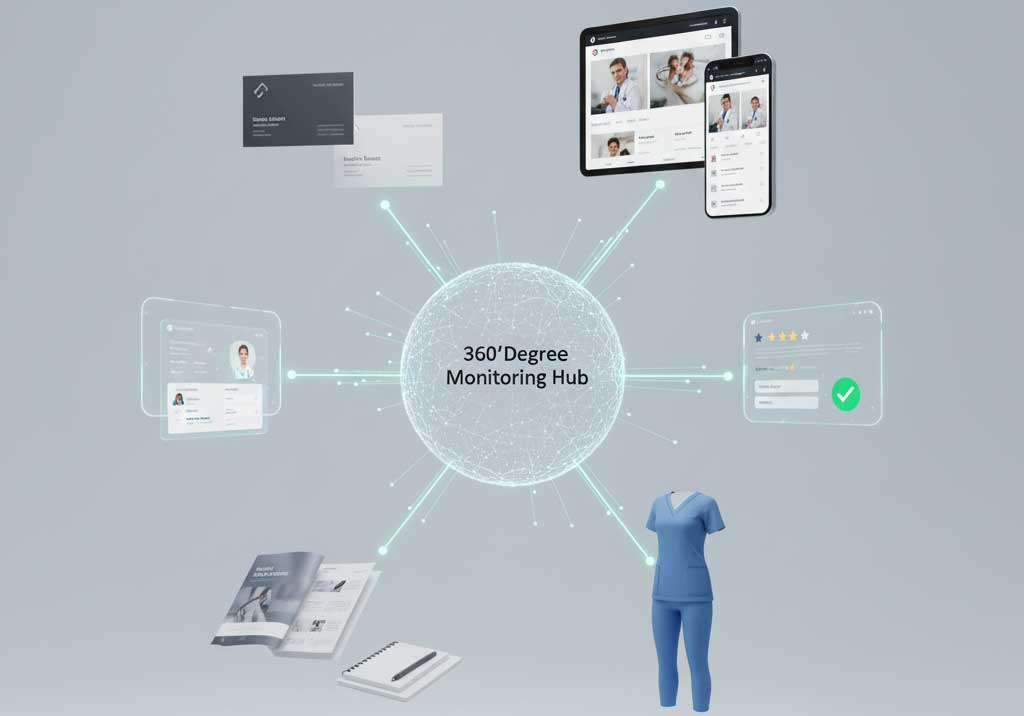
Healthcare branding is the sum of visual identity, trustworthy messaging, patient experience (both online and onsite), and reputation management. When aligned, these elements not only create a positive image but also translate directly into patient acquisition, lower marketing costs, and stronger loyalty. Strategic investment in branding — especially in digital experiences and transparent communication — is among the most effective ways to achieve sustainable growth in healthcare organizations. (1)(3)(6)
References
- Adam Broitman, Michael Elliott, Quentin George, Jessica Buchter – Health media: How consumer content informs the future of healthcare. McKinsey & Company. (December 3, 2024). McKinsey & Company
- Consumers rule: Driving healthcare growth with a consumer-led strategy. McKinsey & Company (article). (2023). McKinsey & Company
- Digital Patient Experience: Umbrella Systematic Review. Journal of Medical Internet Research (JMIR). 2022. jmir.org
- The Impact of Digital Hospitals on Patient and Clinician Experience. Journal of Medical Internet Research (2024). jmir.org
- The Changing Healthcare Landscape and the Rise of POC Marketing. POC Marketing report / industry case studies. (post-2020). Point of Care Marketing Association
- Consumer or Patient Determinants of Hospital Brand Equity. International Journal (MDPI), 2022 – بررسی عوامل تعیینکننده برند در بیمارستانها. MDPI
- Patient Experience from an eHealth Perspective: A Scoping Review. PubMed Central (PMC), بررسیهای مروری مرتبط با تجربه بیمار و سلامت دیجیتال. (2022). PMC