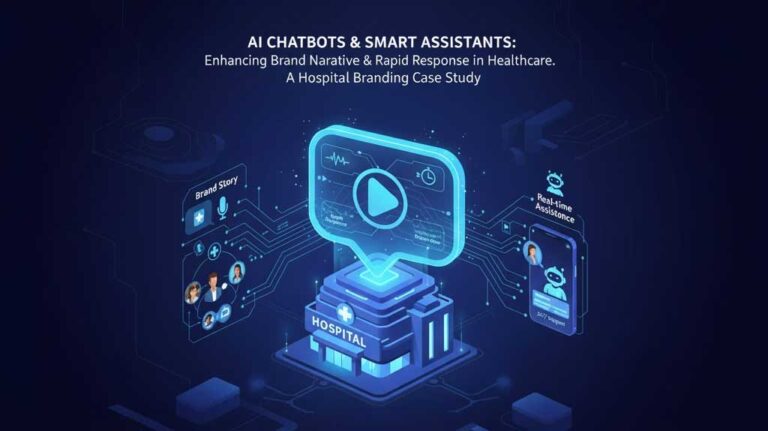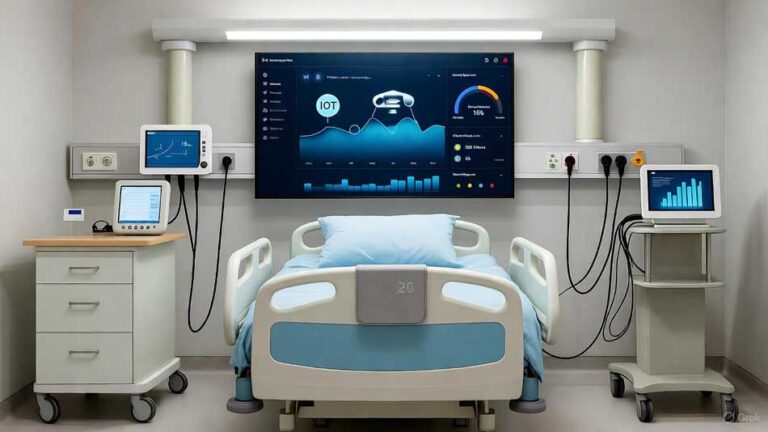
Smart Hospitals represent a fundamental transformation in healthcare delivery. By leveraging advanced technologies such as Artificial Intelligence (AI), the Internet of Things (IoT), Data Mining, and Automation, these institutions not only improve operational efficiency but also dramatically enhance patient experience and quality of care. Within this innovative ecosystem, branding plays a critical role — communicating a smart hospital’s unique values to various stakeholders and building the trust necessary for the adoption of technological change.
Table of Contents
ToggleSmart Hospital: Beyond a Building
A smart hospital is not merely a modern facility filled with new equipment; it is a data-driven and interconnected ecosystem designed to improve precision, flexibility, and long-term sustainability.
Key features include:
-
Integrated Connectivity: From patient wearables and connected medical devices to intelligent building management systems.
-
Data-Driven Decision-Making: Using AI for faster diagnosis, predictive insights, and optimized workflows.
-
Patient-Centric Experience: Delivering personalized services and enabling seamless interaction between patients and caregivers through digital tools.
-
Operational Efficiency: Automating repetitive tasks, optimizing resource allocation (beds, staff), and managing energy consumption intelligently.
The Branding Challenge in Smart Healthcare
Branding a smart hospital requires a delicate balance between cold technological innovation and warm human care. The main challenges include:
-
Building Trust Around Data and Privacy:
Smart hospitals process massive volumes of sensitive data. The brand must embody a commitment to absolute security and patient confidentiality. -
Humanizing Technology:
Innovation should not make the hospital feel mechanical or impersonal. The brand must convey that technology exists to enhance human touch and compassion. -
Effective Differentiation:
As healthcare competition intensifies, branding should highlight the hospital’s core advantages — such as specialized expertise, diagnostic speed, or a uniquely personalized patient experience.
Core Elements of a Smart Hospital Branding Strategy
1. Focus on Patient Experience-Centricity
The brand should tell a story about how technology improves and simplifies patients’ lives.
-
Core Brand Promise: Transforming “anxiety” into “assurance.” A smart hospital should be known as a place where errors are minimized, and diagnosis and treatment reach the highest level of accuracy.
-
Digital Patient Journey: The brand should emphasize ease of use in digital tools — such as automated check-ins, mobile apps for doctor communication, or in-room environmental controls. These features present the hospital as an “intelligent” and “accessible” care provider.
2. Highlight Unmatched Clinical Precision and Quality
A smart hospital’s ability to collect and analyze real-time data offers a strong competitive edge that must be reflected in its branding.
-
AI Empowering Physicians:
Instead of emphasizing machines, the brand should spotlight how technology empowers healthcare professionals. The message should be that our doctors make the best treatment decisions supported by advanced data-driven insights. -
Key Specializations:
If the hospital excels in areas such as robotic surgery, intelligent intensive care, or AI-based cancer diagnostics, these strengths should form part of the brand’s core identity.
3. Build a Modern and Calming Visual & Verbal Identity
Brand elements (logo, colors, tone of voice) must reflect the intersection of technology and empathy.
-
Color Palette:
Use colors that convey trustworthiness (e.g., deep blues and grays) combined with health and calmness (e.g., soft greens or light blues). -
Tone of Communication:
Maintain a tone that is both professional and knowledge-based yet friendly, empathetic, and simple — ensuring patients aren’t intimidated by complex technical terms. -
Physical Design:
Branding should also extend to architecture — incorporating natural light, open spaces, and discreet technologies (like hidden sensors instead of bulky equipment) to create an environment that feels both soothing and efficient.
Conclusion
Smart hospital branding is ultimately an exercise in perception management. Success requires moving beyond showcasing high-tech tools to demonstrating that innovation directly leads to more humane care, better clinical outcomes, and reduced patient anxiety.
A truly intelligent brand establishes a seamless link between technological progress and healthcare’s ultimate goal — improving human life. In doing so, it positions the smart hospital as the trusted destination for the future of medical care.